PMDD and Addiction – A Rollercoaster You Would NEVER Ask For
We’ve all heard the term “addiction” and it’s typically associated with substances like alcohol, drugs, and cigarettes. But there’s a less talked about form of dependency…one that’s a little more insidious and tied more to biology. There is a connection between PMDD (Premenstrual Dysphoric Disorder) and addiction.
So, let’s talk about it…
PMDD: More Than Just “PMS on Steroids”
For those unfamiliar with PMDD it is like PMS but turned up to an uncomfortable and buzzing 13. It’s a severe form of premenstrual syndrome that affects roughly 5-8% of women in their reproductive years.
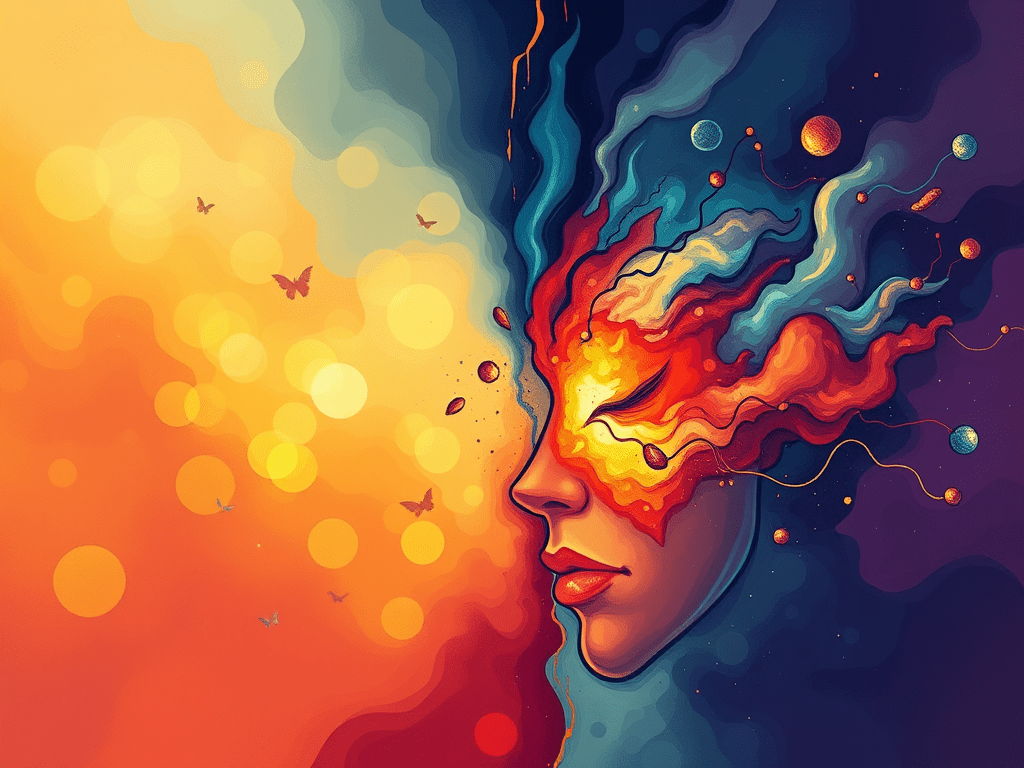
Think of it as the emotional equivalent of living in a hurricane:
irritability
fatigue
anxiety
depression
mood swings
There are also physical symptoms like headaches and joint pain. (My hips make it hard to go up steps even)
This can make daily life feel like walking through a never ending storm.
But here’s where it starts getting trickier…PMDD isn’t just a temporary inconvenience. When the emotional and physical symptoms are at their worst, women may find themselves trying to cope in ways that aren’t exactly healthy. Enter: addiction. And myself.
Coping Mechanisms Gone Awry
During PMDD flare-ups, the brain is flooded with hormone-related changes, particularly a dip in serotonin (the “feel-good” neurotransmitter). This hormonal rollercoaster can drive individuals to seek comfort or escape.
Let’s paint the picture:
- Increased vulnerability: A study in Neuropsychopharmacology found that the hormonal fluctuations associated with PMDD could increase the susceptibility to substance abuse. It’s like your brain is a house with a lot of windows—and when you’re already stressed, it’s much easier for those harmful substances to sneak in through the cracks.
- Self-medicating behavior: A 2018 survey from the National Institute on Alcohol Abuse and Alcoholism reported that individuals experiencing severe PMS or PMDD were more likely to engage in alcohol or drug use as a form of self-medication. Women dealing with PMDD are 1.5 times more likely to use alcohol excessively, particularly during the luteal phase (that’s the phase before menstruation).
The Chemical Tug-of-War
So, why does this happen? It’s all about neurochemistry. When PMDD kicks in, serotonin and dopamine levels drop DRASTICALLY. These brain chemicals are directly linked to pleasure and reward. A lack of them can lead to a sense of “I need something…ANYTHING…to feel good” which opens the door to unhealthy coping mechanisms. Enter in alcohol, binge eating, over-spending, risky behavior and substance abuse, etc. as women search for the fleeting high that calms the storm inside.
To put it simply: it’s not just about coping with the intense mood swings; it’s the brain’s chemistry screaming for a fix. And that fix? Sometimes it’s an addiction in the making and harmful to ourselves.
The Stats Don’t Lie
- According to a 2020 study from The American Journal of Psychiatry, nearly 20% of women with PMDD engage in excessive drinking or drug use when experiencing their symptoms.
- Another study published in Journal of Women’s Health found that 40% of women with severe PMDD also struggled with some form of addiction (alcohol, nicotine, and/or drugs). That’s a huge number!
Breaking the Cycle: What Can Be Done?
While PMDD itself is often under diagnosed, the connection between PMDD and addiction is even less understood. However, there are some steps forward:
- Seeking proper medical care: Women with PMDD should seek out treatment plans that include BOTH psychological support and pharmacological solutions. Antidepressants and hormone therapy (like SSRIs or birth control) are often used to manage the chemical imbalances that fuel both PMDD and addictive behaviors.
- Cognitive-behavioral therapy (CBT): Studies have shown CBT to be a successful tool in breaking the cycle of addiction, especially when linked to PMDD. It’s all about recognizing the triggers, understanding the connection, and reframing how one copes with the emotional storm. (something I am working through myself)
- Holistic approaches: Things like yoga, acupuncture, and mindful meditation have gained traction as helpful tools to manage both PMDD symptoms and the tendency to seek out harmful substances. It’s not a cure-all, but it’s an important part of the healing process and finding balance.
The Bottom Line
The link between PMDD and addiction isn’t just a casual connection…it’s a complex relationship between biology, brain chemistry, and mental health. It’s an emotional rollercoaster with unexpected twists, and for many women, it’s a daily struggle that often goes unnoticed.
So, if you’re struggling with PMDD and addiction, you’re not alone.
PMDD and addiction are a complex dance, and unfortunately, it’s one that far too many women have to perform. But with the right treatment and support, it’s a dance that can be re-choreographed. And remember, the storm may be wild but it doesn’t have to define you.
With love,
Caitlin





 Say It LOUDER!….an awareness blog for PMDD
Leave a comment